


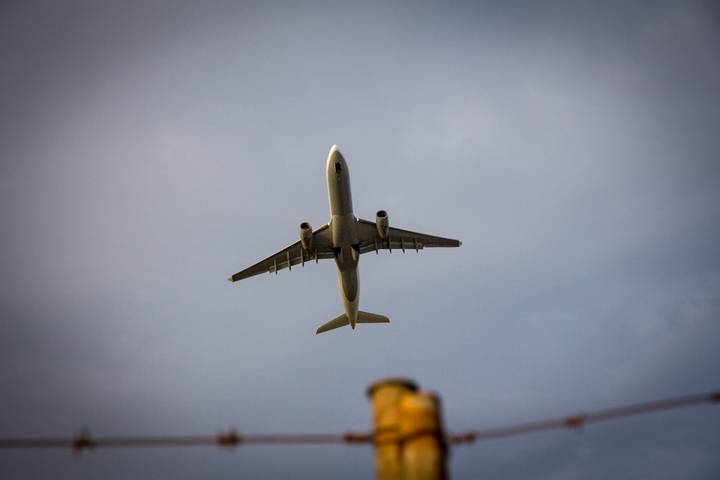
Most airline passengers have experienced turbulence during a flight at one time or another and, and while it is certainly disconcerting, it’s not quite as dangerous as it seems.
First, let’s look at what is actually taking place.
A plane flies due to lift, for the most part. That lift is caused by the air around it. Typically, the airflow around a plane is smooth. But every so often a plane will fly through rising or descending pockets of air. This is what causes the stomach-churning, fearful, rise and fall of the plane.
But that rise and fall from the plane isn’t as dramatic as one might think.
According to Patrick Smith, author of Cockpit Confidential, the motion of the plane — pitch, bank and altitude — all change “slightly” when we experience turbulence.
“Turbulence is an aggravating nuisance for everybody … but it’s also, for lack of a better term, normal,” he writes on his AskthePilot blog.
And while these events might make it seem like the plane is dropping hundreds of feet, in reality, you’re likely not falling more than 50 feet.
Climate change and turbulence
The most likely place planes can experience turbulence is over mountain ranges, flying through thunderstorms or even coming out of a jet stream boundary.
However, there are other causes that might be causing a rise in turbulence events.
While some turbulence events can be explained by typical changes in airflow, some cannot. And this has lead to research into the effects of climate change on airflow in the upper atmosphere.
A 2012 letter published in the scientific journal Nature by British scientists Paul D. William and Manoj M. Joshi suggested climate change is likely contributing to more clear-air turbulence (CAT). This is supported by studies on the changes in the tropopause — which is at about 30,000 feet (it varies on where you are on the globe) — in response to climate change. This is considered cruising altitude for many flights. So as the the climate continues to change, it’s likely that passengers could experience more turbulence, though not all of it will be extreme.
“Our results suggest that climate change will lead to bumpier transatlantic flights by the middle of this century,” authors William and Joshi concluded in the Nature letter. “Journey times may lengthen and fuel consumption and emissions may increase. Aviation is partly responsible for changing the climate, but our findings show for the first time how climate change could affect aviation.”
Will you crash?
The good news is that planes are made to take a beating, and unlike boats travelling rough seas, a plane will not flip over due to turbulence.
While a plane could crash in a most extreme circumstance, it’s highly unlikely.
According to the Federal Aviation Administration, each year about 58 people are injured in the United States while wearing their seat belts. From 1980 through 2008, two of three people who died as a result of turbulence were also not wearing their seat belts while the sign was illuminated.
So remember: When the seat belt sign is illuminated, take heed.
Aviation evolves through moments of clarity — moments when industry leaders step forward to explain not only what is happening, but why it matters. This conversation with Evgeny Shadov, VP ...
Air France was among the leading winners at the Skytrax World Airline Awards, held in London on September 18, 2026, earning multiple distinctions that highlight the excellence of its products and cust...
The year of the P.180 Avanti’s 40th anniversary has brought a second reason for celebration at Piaggio Aerospace: the sale of more than 40 P.180 Avanti EVO aircraft since the model entered servi...
Qantas has announced it will launch the first-ever non-stop commercial flights between Sydney and New York from mid-2028, marking a major milestone for its landmark Project Sunrise initiative. Ti...