


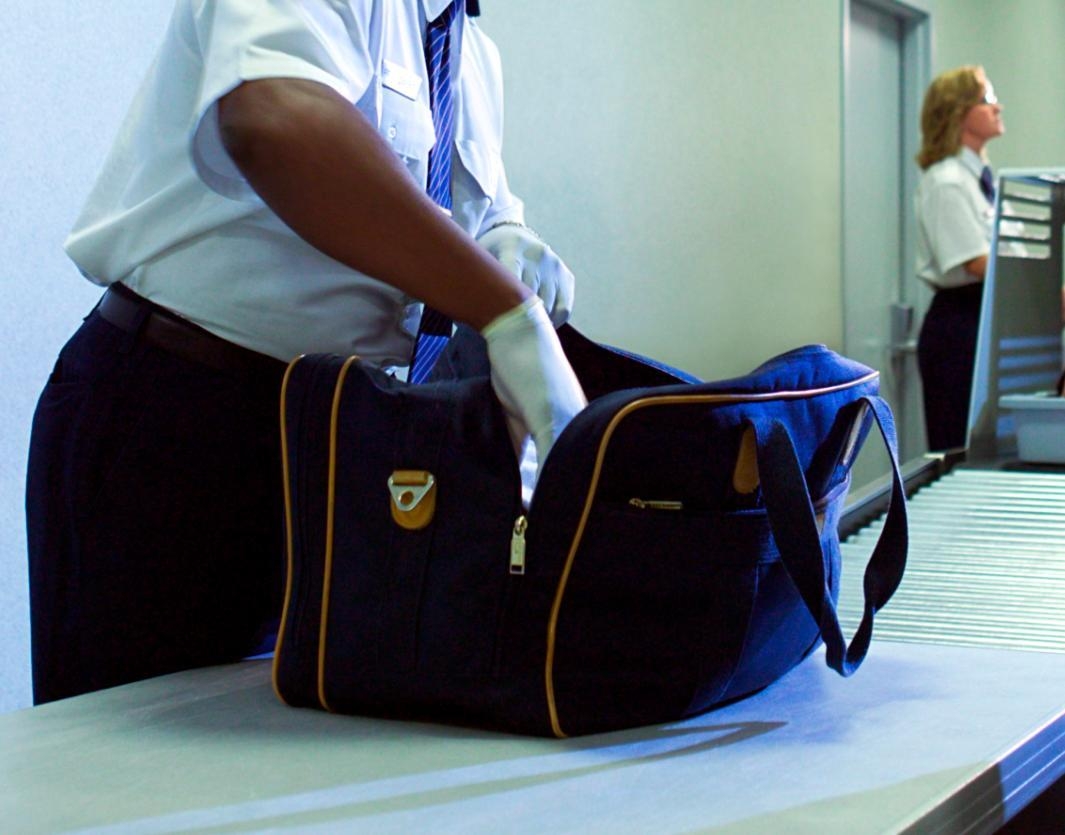
The Philippine government said on Wednesday (Nov. 4) it was investigating claims of a major extortion racket at the nation's main airport involving security personnel planting bullets in passengers' luggage.
The allegations, which have dominated local news, prompted the United Nations to warn its staff of the potential dangers and the government to install extra security cameras at Manila's airport terminals.
They also come ahead of the Philippines hosting U.S. President Barack Obama and other world leaders for the annual Asia-Pacific Economic Cooperation summit on Nov. 18-19.
Responding to the media frenzy, Transport Secretary Joseph Emilio Abaya said the scam had been "blown out of proportion" but confirmed cases had been filed against security officers over two alleged extortion attempts.
"A single case of any passenger ... charged or victimised by planting (bullets) is unjust ... it merits full government attention," Abaya told reporters.
Abaya did not elaborate on whether the security personnel were facing criminal or administrative punishment, but said President Benigno Aquino intended to fire anyone involved.
Abaya said one of the cases involved a complaint from an American.
Although he did not give details on the American, local press have widely reported allegations from a U.S. missionary who said a bullet was planted in his luggage at Manila airport.
Security personnel demanded 30,000 pesos (US$640) or they would press charges for illegal possession of live ammunition, media reports cited the American as saying.
He refused and was charged, then released on bail, according to the reports. A U.S. embassy spokesman declined to comment on the case.
In the Philippines, possession of live ammunition is punishable by six to 12 years in jail.
Philippine media outlets have carried reports of many passengers claiming to have had bullets planted in their luggage, with security personnel then demanding cash to avoid being charged and allowed to catch their flights.
Although the sums of money reportedly demanded have generally been small, poor Filipinos heading overseas to work as maids, sailors and other lowly paid professions have allegedly been frequent targets.
The scam has apparently built off a tradition for some Filipinos to carry bullets as lucky charms, so it is not unheard of for people to carry them in their bags.
In its advisory, the United Nations warned its employees to lock their luggage, never keep bags out of sight and consider wrapping them in plastic, two UN staff based in Manila told AFP.
When asked about the advisory, a spokeswoman at the United Nations Information Centre in Manila declined to comment.
Corruption is a major problem throughout all government institutions in the Philippines.
flydubai has strengthened its pilot development strategy through new partnerships with Egnatia Aviation and Skyborne Airline Academy, aimed at expanding the airline's training capacity and support...
ALSIM has announced that MH Cockpit, based in India, has acquired an AL250 simulator—marking a significant step in MH Cockpit’s expansion plans and reinforcing its ambition to build a robu...
ExecuJet MRO Services Australia successfully completed a major 20-year scheduled airframe inspection on an Indonesian-registered Embraer Legacy 600 at its Sydney facility, further demonstrating t...
RECARO Aircraft Seating is celebrating the 80th anniversary of Scandinavian Airlines with a unique collection of 80 customized RECARO Gaming Nxt chairs created exclusively for the carrier. Repres...