


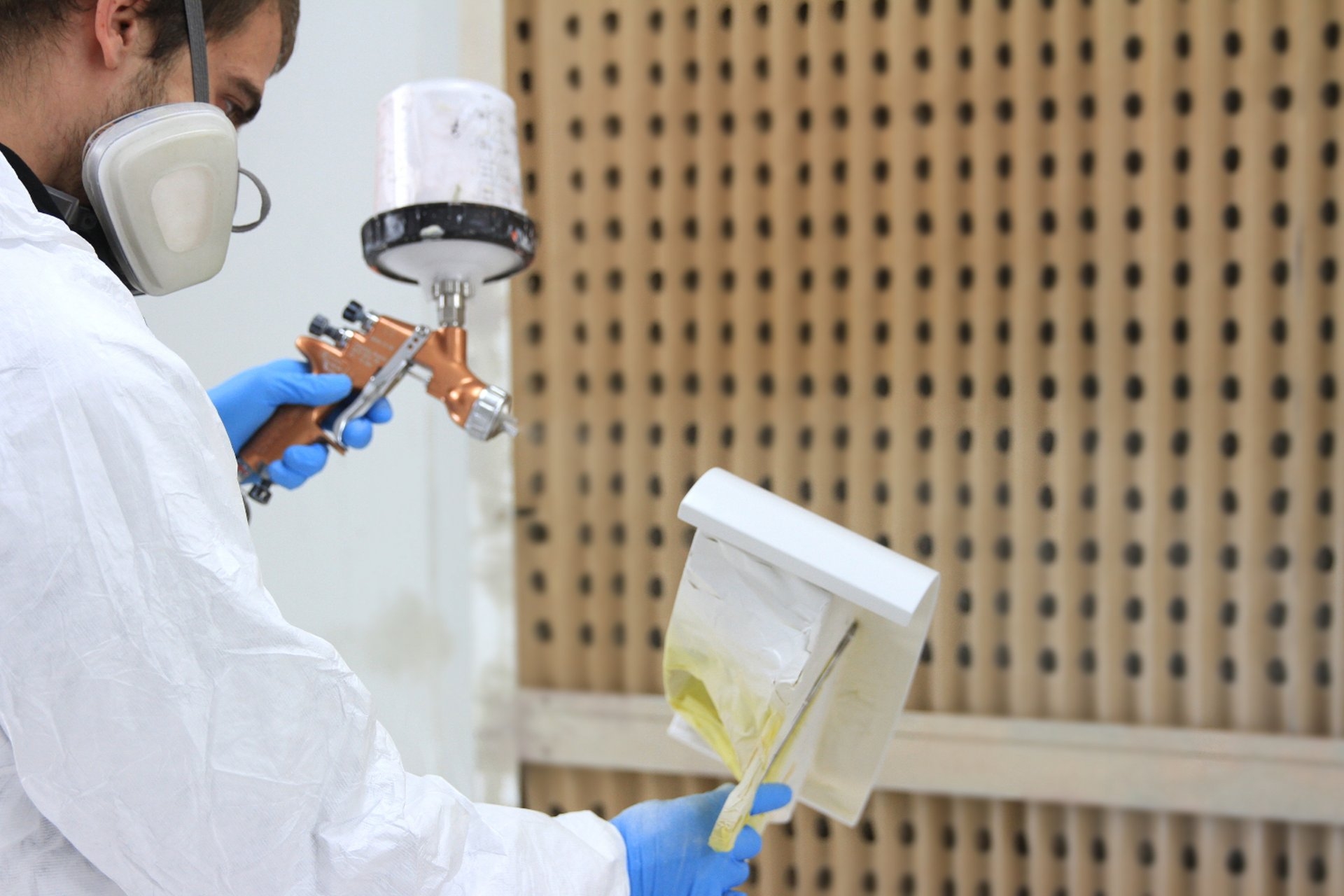
First 3D-printed part visible to passengers will be flying soon with Finnair
When an airline updates its aircraft cabin layout, gaps are often created between the existing and new components. Such gaps need to be bridged before the aircraft can take on passengers, and time always is of the essence in returning a jetliner to revenue-generating service.
The traditional method of manufacturing a new plastic part involves creating custom-made injection moulding tooling – a process that is relatively complex, especially given the specialised nature of many components and the limited number needed for a typical cabin retrofit. By using 3D printing technology, Airbus has enabled small-batch manufacturing that is not only quicker than conventional moulding techniques but less expensive, too.
Where traditional production methods struggle, 3D printing shines
Not only are 3D-printed parts as strong as those made with traditional moulding methods, they can be made lighter in weight; an important consideration for jetliner interiors, where every kilogram counts. While 3D-printed parts have been integrated into Airbus aircraft in the past, the results were not deemed aesthetically pleasing enough to be used where they could be seen by passengers – until now.
Through a partnership with the Belgium-based Materialise company, Airbus now has the first 3D-printed parts seamlessly integrated into the cabins of its jetliners. These parts – spacer panels that fill end-gaps in a row of overhead storage compartments – have passed Airbus’ stringent cabin trim and quality standards and will soon be visible to passengers aboard Finnair’s A320 aircraft, whose cabin layout has been updated.
By using 3D printing, Airbus was able to create bio-inspired panels 15 percent lighter than if made using conventional production methods. This technology also enables the creation of complex internal support structures, such as lattices inside the panels, without imposing additional manufacturing costs.
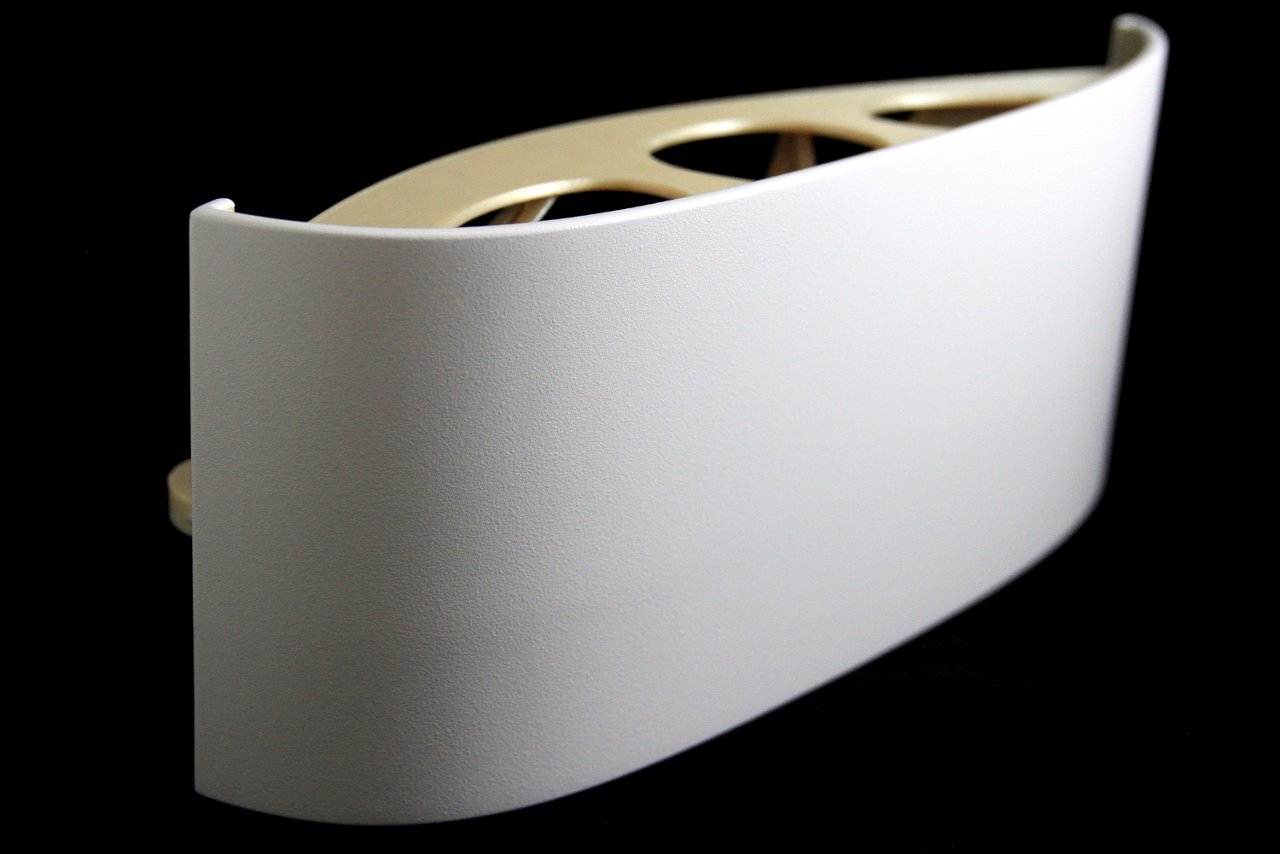
While 3D-printed parts have been integrated into Airbus aircraft in the past, the results had not been used in public view until spacer panels meant to fill an end-gap in a row of overhead storage compartments aboard an Airbus A320 aircraft flown by Finnair
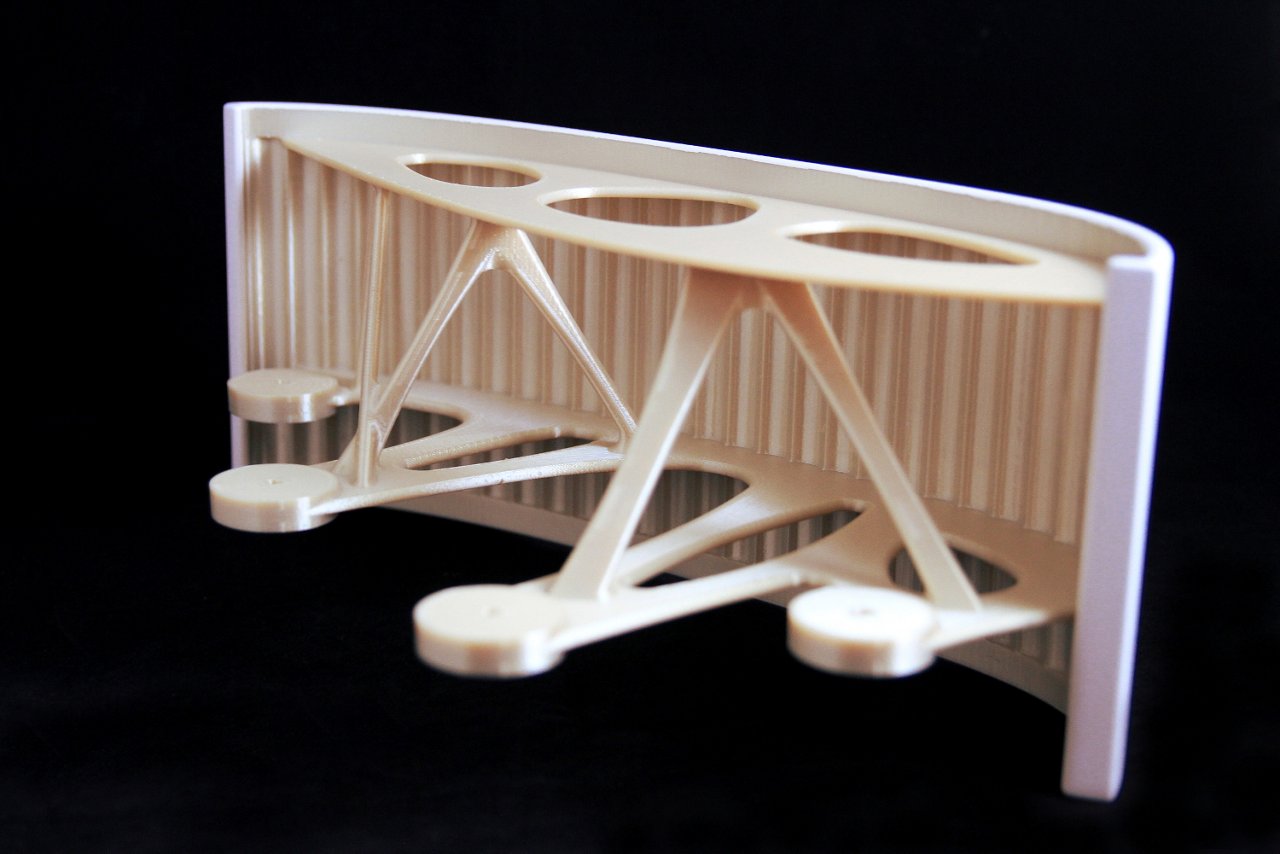
By 3D-printing spacer panels for use aboard Finnair’s A320 aircraft, Airbus created bio-inspired panels 15 percent lighter than if made using conventional production methods
TARMAC Aerosave, Europe’s leading provider of aircraft storage, maintenance and recycling services, announced today at MRO Asia-Pacific 2026 that it has received approval (IND.FAMO.0000000129) f...
Riga Airport is taking the next step in the development of RIX Airport City by launching, on 22 September, the qualification stage of an international competitive dialogue to select a development part...
Air France was among the leading winners at the Skytrax World Airline Awards, held in London on September 18, 2026, earning multiple distinctions that highlight the excellence of its products and cust...
Confidence in Asia's business aviation market is on the rise, according to new research commissioned by Airbus Corporate Jets (ACJ). Industry experts expect demand for business aircraft to grow st...