


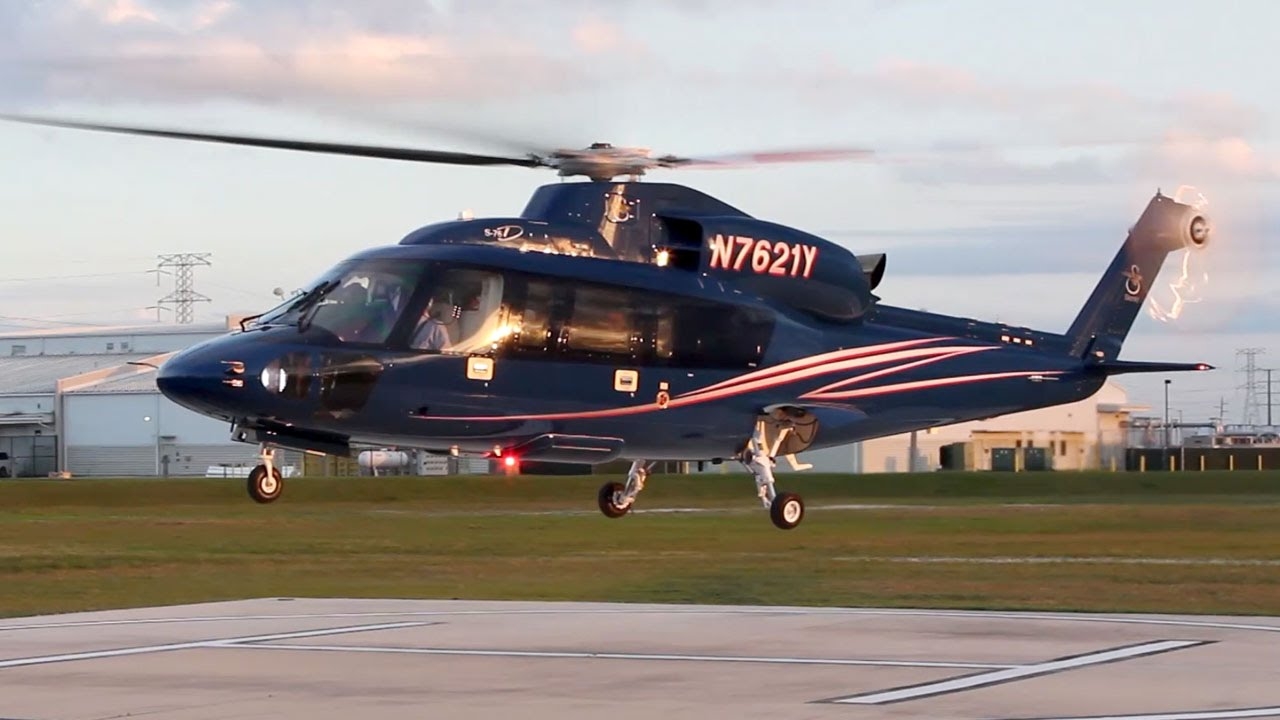
Sikorsky is “probably about several months away” from clearing up outstanding certification issues covering the VIP configuration of its S-76D with the European Aviation Safety Agency.
The aircraft received initial approval for the varaint from the European regulator in February 2015, but Dana Fiatarone, vice-president of Sikorsky commercial systems and services, said at Heli-Expo on 1 March that remaining issues, like single-pilot instrument flight rules, should be “clearing up” soon.
Powered by twin Pratt & Whitney Canada PW210S engines, the D-model completed development about four years later than planned and has been introduced at a sluggish time in offshore oil and gas segment.
Despite a bottoming out of oil prices, Sikorsky says it has secured five more orders for the S-76D from Bangkok-based Thai Aviation Services, which is renewing its fleet. The offshore service provider will also buy two heavy-lift S-92s.
The S-76D fleet has accumulated almost 10,000 flight hours since entering service in 2015, and the 275-aircraft S-92 fleet has accumulated 950,000 flight hours since the type’s introduction in 2004.
The company would not be drawn on production rates for the two helicopters, saying its sales and flight hours have been impacted by low oil prices just like “every other helicopter OEM”.
“Yet even with some aircraft removed from service, the percentage of flight hours for the S-92 helicopter fleet operating in this segment has been up year-over-year, which we view as an encouraging sign,” Sikorsky says. “Our priority is to keep our customers flying, and we have many initiatives in place to enhance our customer support.”
Fiatarone says despite the downturn, he is looking optimistically toward an eventual market rebound, which could come “as early as this year or as late as 2020”.
Sikorsky is also launching an upgrade package that raises legacy S-76C+ aircraft to the improved C++ standard. There are more than 150 S-76C+ aircraft in operation around the world.
The modification adds dual digital engine control units and an engine inlet barrier filters for “increased reliability and lower maintenance costs” as part of an airframe kit and switches the engines from the Turbomeca Arriel 2S1 to the 2S2 variant. The engine will also be available separately from Turbomeca.

KlasJet has achieved a significant milestone by obtaining Part 129 Operations Specifications (OpSpecs) approval from the FAA, paving the way for the company's expansion into the U.S. market. As pa...
ExecuJet MRO Services Australia successfully completed a major 20-year scheduled airframe inspection on an Indonesian-registered Embraer Legacy 600 at its Sydney facility, further demonstrating t...
Embraer delivered the first Praetor 600E to Flexjet, marking the operator as the launch fleet customer for Embraer’s latest-generation super-midsize business jet. The inaugural aircraft joins Fl...
flydubai has strengthened its pilot development strategy through new partnerships with Egnatia Aviation and Skyborne Airline Academy, aimed at expanding the airline's training capacity and support...